Guides
Leasing vs financing for newcomers
Leasing can look cheaper each month, but it is often harder for newcomers with thin or no US credit. Financing is usually more flexible and may help you build credit history over time, but approval and costs depend on the lender, car, term, and down payment.

Why this choice is different for newcomers
If you are new to the US, leasing and financing do not work the same way in practice. On paper, a lease may show a lower monthly payment. But many lease programs want stronger US credit history, steady documented income, and strict identity and residency records. That can make leasing harder when your file is thin.
Financing is often the more realistic path because there are more lender programs built for people who are still establishing credit. It is not easy in every case, and nobody can promise approval, APR, or a specific payment. But financing usually gives more ways to structure the deal, including a different car price, a different term, or a different down payment.
DriveLine Credit is a free matching service. We are not a lender, finance broker, dealership, or credit-repair company. We help you get matched with licensed auto-financing brokers and lender programs, and we never pull your credit or ask for an SSN or ITIN. We collect contact and situation details only.
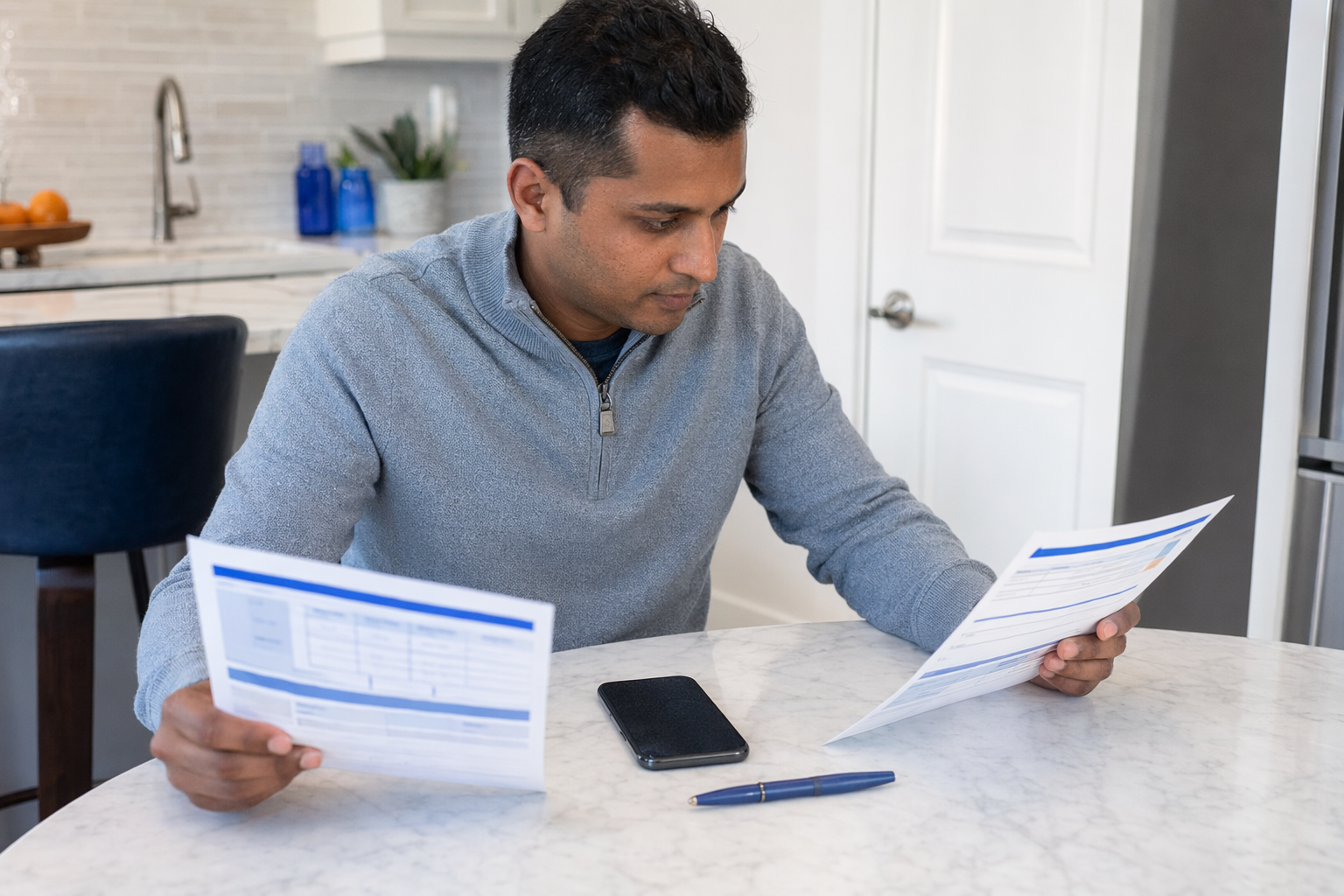
How leasing works
With a lease, you are paying for the car's use for a set period, often with mileage limits and wear-and-tear rules. At the end, you usually return the car, pay any extra charges that apply, or sometimes have an option to buy it.
A lease can look attractive because the monthly payment may be lower than a loan on the same car. But the lower payment does not automatically mean the better deal. You need to look at the full contract, including upfront money due, mileage limits, end-of-lease fees, and what happens if you need to leave the lease early.
For newcomers, the biggest issue is often qualification. Lease programs can be stricter than purchase financing. If you do qualify, the terms may still require more cash upfront than expected. Also, because you do not own the car during the lease, leasing is usually a weaker tool for building ownership and long-term flexibility.
How financing works
With financing, you borrow money from a lender to buy the car and then repay that loan over time. When the loan is paid off, the car is yours, assuming the contract was completed as agreed. Monthly payments may be higher than a lease on the same vehicle, but you are building equity instead of just paying for temporary use.
For many newcomers, financing fits real life better. There are no lease mileage rules to worry about, and you have more freedom if your job, commute, or family needs change. If you keep the car for several years after payoff, financing can also make the total cost easier to justify.
That does not mean every finance offer is a good offer. APR, loan term, down payment, vehicle price, and fees all affect the total cost. A long term can lower the monthly payment while raising the total amount paid. You can use our calculator to compare rough scenarios, but estimates are not quotes or offers.
Leasing vs financing: the real tradeoffs
Leasing may offer a lower monthly payment at the start, but it often comes with tighter approval standards and less room for changes. If you drive more than expected, need to end the contract early, or have wear-and-tear charges, the lease can become expensive. For newcomers still settling into work, housing, and commute patterns, that uncertainty matters.
Financing may start with a higher payment, but it usually gives more control. You can choose a lower-priced car, change the down payment, or compare different terms. Over time, consistent on-time payments may help you build credit history, though the exact impact depends on the lender and how the account is reported.
The biggest mistake is focusing only on the monthly payment. Some sellers or finance offices may push a payment number while hiding the real cost through a long term, a marked-up dealer APR, or surprise add-ons. Read every line. Confirm the APR and total cost in writing before signing anything. Watch for yo-yo or spot-delivery financing, payment-packing, and products you did not ask for.
When leasing might make sense, and when financing usually makes more sense
Leasing might make sense if you have strong documented income, a solid US credit profile, a very predictable number of miles each year, and you know you only want the car for a short period. Even then, compare the full cost carefully, not just the payment.
Financing usually makes more sense for newcomers who are still building US credit, need flexibility, or want to keep the car long enough to get value after the loan is paid off. It can also be the better path if you want a wider choice of vehicles, including modest used cars that fit a starter budget.
If you are not sure what might fit your situation, we can help you get matched with licensed auto-financing brokers and lender programs that work with different credit backgrounds. Our service is free to borrowers. We are paid a flat marketing and matching fee by participating brokers and lender programs. State rules and lender programs vary.
A smart way to compare offers
Start with the car price you can realistically afford, not the nicest car with the lowest advertised payment. Then compare lease and finance options using the same vehicle, similar upfront cash, and the same time horizon. Ask what you will pay at signing, what your monthly payment would be, what the APR is if it is a finance contract, and what your total expected cost is.
If you look at a lease, ask about mileage limits, excess wear charges, early termination rules, and the purchase option at the end. If you look at financing, ask whether there are add-ons, whether the APR was marked up, and whether there is any prepayment penalty. Always slow down enough to read the full contract.
You can learn more in our guides and overview of auto financing. If you want help finding licensed options, start with get matched. We never pull credit and never ask for an SSN, ITIN, driver's-license number, bank account numbers, or credit-card numbers.
For most newcomers, financing is usually easier and more flexible than leasing, but you should compare the full cost in writing and never focus only on the monthly payment.
Common questions
Is leasing easier than financing if I am new to the US?
Often, no. Leasing can be harder because many programs want stronger US credit history and stricter documentation. Financing is often more available, but approval and terms still depend on the lender, the car, your income, your down payment, and state rules.
Does financing help build credit more than leasing?
Financing may help you build credit history if the lender reports the account and you pay on time. Leasing may also be reported in some cases, but financing usually gives more long-term value because you are working toward ownership. Credit reporting practices vary by lender.
Why is the lease payment sometimes lower?
A lease payment is often lower because you are paying for part of the car's value during the lease term, not buying the whole car. But lower payment does not always mean lower total cost once you include money due at signing, mileage charges, fees, and end-of-lease costs.
Can anyone guarantee my approval, APR, or monthly payment?
No. Nobody honest can guarantee approval, APR, or a monthly payment before a real lender reviews the full deal. The outcome depends on your profile, the lender, the vehicle, the term, and the down payment.
Do you check my credit or ask for an SSN or ITIN?
No. DriveLine Credit never pulls or checks your credit and never asks for an SSN or ITIN. We collect contact and situation details only so we can help match you with licensed auto-financing brokers and lender programs.
What should I confirm before I sign anything?
Confirm the APR, all fees, the full payment schedule, and the total cost in writing. If it is a lease, also confirm mileage limits, wear rules, and end-of-lease charges. Verify the broker or lender is licensed in your state and read the full contract carefully.