Guides
New vs used car for newcomers
Choosing new vs used can affect your APR, total cost, and monthly payment. Learn how financing often works for newcomers, then get matched for free with licensed auto-financing brokers and lender programs—without any credit pull.

1) Quick answer: new can be cheaper to finance, used can be cheaper to buy
A new car often costs more upfront, but lenders may offer competitive rates because the vehicle is newer and has lower mileage.
A used car usually has a lower purchase price, which can reduce what you borrow. However, APR can be higher depending on the car, the loan term, your down payment, and lender rules.
As a newcomer with thin or no US credit, the best choice depends on the total cost over time—not only the monthly payment.
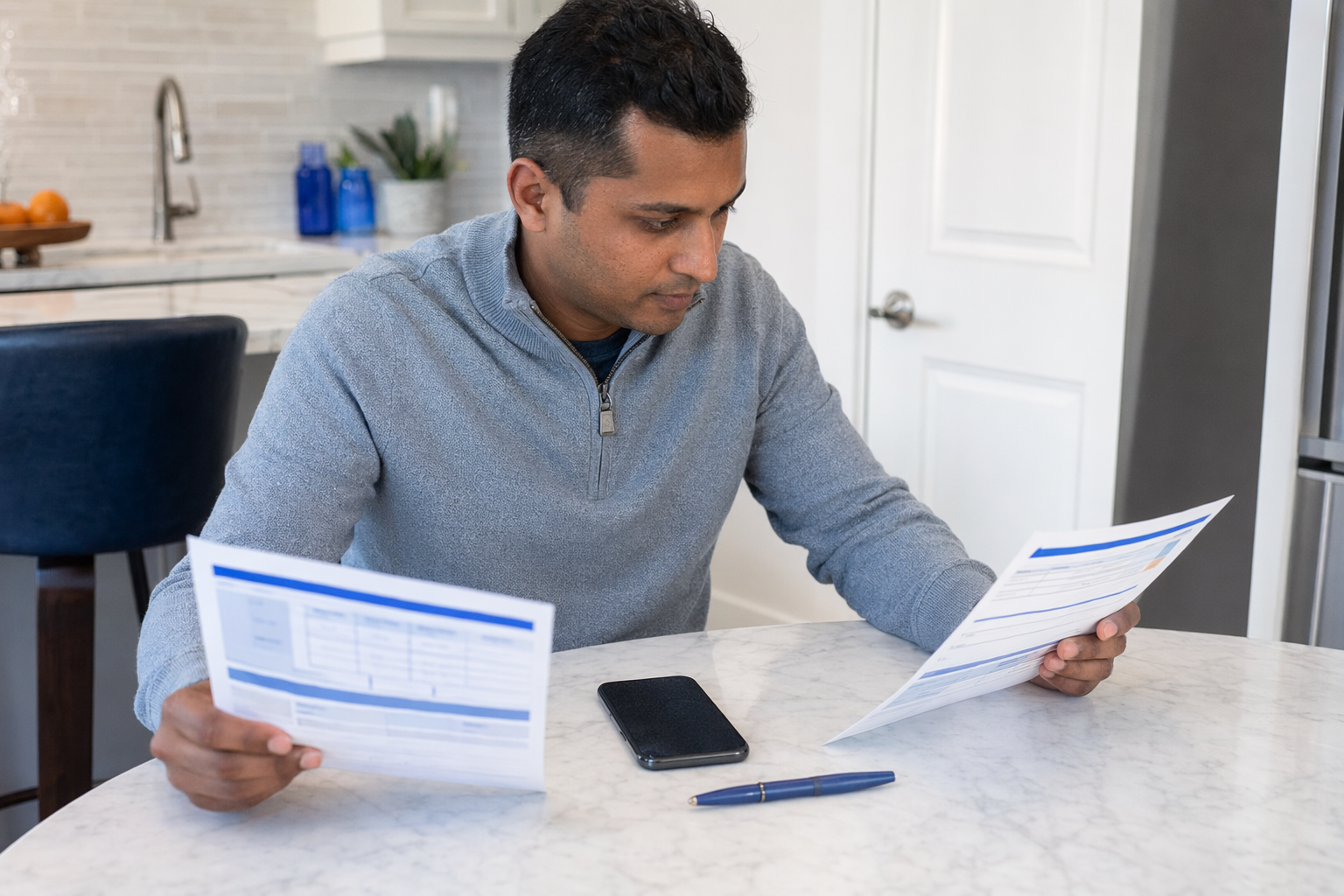
2) New vs used: what typically changes in financing
Financing is tied to more than your credit file. Lenders also look at the vehicle value, age, mileage, and the loan length, plus your down payment and the overall loan amount.
In many cases, used-car financing carries more variation. Two borrowers can face different APRs and total costs even for the same month’s payment target—because lenders calculate risk differently.
For that reason, it’s smart to compare offers using APR and the total finance cost (the amount you pay above the vehicle price), not just the sticker price and monthly payment.
3) A newcomer-friendly comparison checklist (before you apply)
Here’s what to check when comparing new and used options:
First, estimate your “out-the-door” price. That includes taxes, title/registration, and common fees. Then estimate what you can put down. A larger down payment can reduce the amount financed and may help your terms.
Second, compare APR and total cost, because the lowest monthly payment can be expensive if the term is long or if the APR is high. Use a calculator to compare scenarios before you talk to anyone about pricing: calculator.
Third, ask the seller for the full financing terms in writing (APR, term length, fees, and the total cost). Watch for dealer-finance traps like “spot-delivery” style financing, surprise add-ons, or payment “packing” that increases the price without making it clear.
4) How loan term and down payment can change the real cost
Even with the same APR, the loan term changes your total cost. A longer term can lower the monthly payment but increase the total interest you pay.
A down payment also matters. If you can comfortably put more down, you may reduce the financed amount and lower your total finance cost. For newcomers building credit, a reasonable, affordable payment is important—but it’s not worth paying extra just to reach a lower monthly number.
If you’re comparing new vs used, try a few “what if” options with different terms and down payment amounts using calculator. Then focus your decision on the total cost and your budget.
5) Your next step: free matching with licensed brokers and lender programs
DriveLine Credit is a FREE service that helps you understand auto financing and get matched with LICENSED auto-financing brokers and lender programs.
We are NOT a lender, NOT a dealership, and NOT a credit-repair company. We also never pull or check your credit. We don’t ask for your SSN/ITIN, driver’s license number, or any bank/credit-card/account numbers.
If you want to explore your options, start with get-matched. Share your situation and the car type you’re considering (new or used, approximate budget, and your target timeline). Then, verify that any broker or lender is licensed in your state, read the full contract carefully, and confirm APR and total cost IN WRITING before you sign.
For more general guidance, browse our guides and learn the basics in financing.
New or used can both work—compare APR and total cost in writing, then use DriveLine Credit’s free, no-credit-pull matching with licensed lenders.
Common questions
Is it usually better for a newcomer to buy new or used?
There isn’t one “best” choice. New may help with financing rates in some situations, while used lowers the purchase price but can come with higher APR. The safest way is to compare total cost using APR and the full written terms, not just the monthly payment.
Will getting financing approval be guaranteed if I use a matching service?
No. Any approval and APR depend on the lender’s rules, the specific vehicle, the loan term, the down payment, and your overall situation. DriveLine Credit is free matching—we do not guarantee approvals, APR, or monthly payments.
Do you pull my credit or ask for my SSN/ITIN?
No. DriveLine Credit never pulls, checks, or accesses credit data, and we never ask for your SSN or ITIN. We only collect contact and situation details to help you get matched.
What should I look at besides the monthly payment?
Look at APR and the total cost of financing (the total amount you pay over the vehicle price, including interest and fees). A longer term or higher APR can make a “low monthly payment” plan more expensive overall.
How can I avoid dealer-finance traps when comparing options?
Ask for the full financing terms in writing: APR, term length, fees, and total cost. Be cautious with spot-delivery style deals, payment “packing,” surprise add-ons, or any change from the written terms. If anything seems unclear, ask before signing.